Day Three — Confrontation
The terrain between the body opening and the shadow speaking

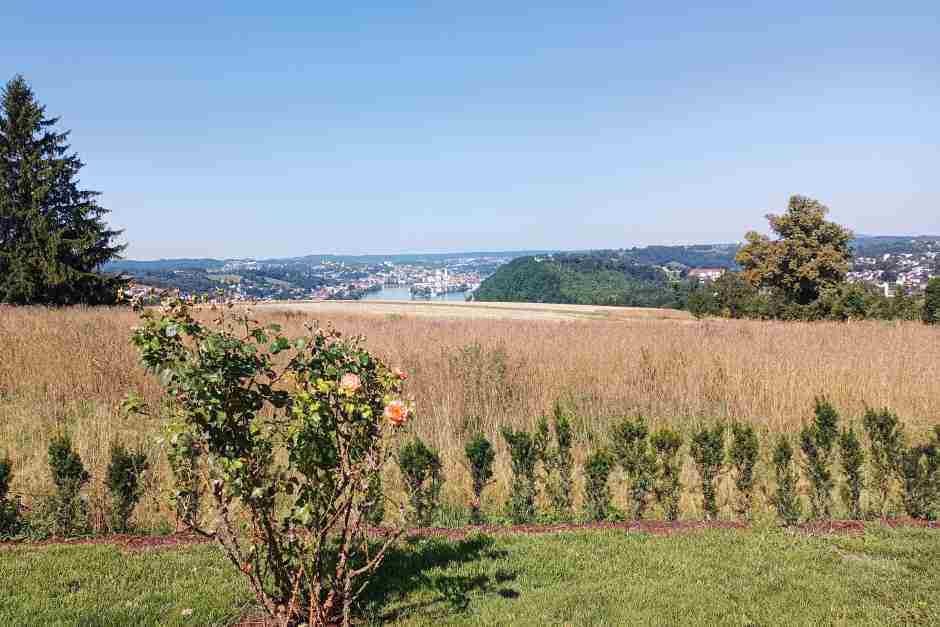
I woke in a small German town called Passau the morning after the full day of driving across France, Belgium and majority of Germany and the body began to do something I have spent a long time not letting it do.
It started bringing things up.
The drive the day before had opened something. The waves through the body. The music that found a way past the usual defences. The hours of solitude on the open road. By the time I woke in Passau, the door was fully open. And once the door is open, what wants to come through comes.
Old grief I thought I had finished with. Memories from childhood arriving in pieces. Fear about finances that did not feel like today’s fear but felt like a much older one wearing today’s clothes. A loneliness that had nothing to do with where I physically was. Faces of people I had not thought about in years rising unbidden. Conversations I had never quite let myself have.
None of it was new. All of it had been there for years.
The drive had not created any of it. The drive had created the conditions in which it could finally rise.
That is what the second stage of an honest journey does. It opens the channel. And the third stage — Confrontation — is what happens when what has been waiting underneath finally comes through.
There is a piece of music I had been carrying with me on the drive that morning. One that often returns.. a piece by Max Richter. The similar piece used in the film 1917.
Two men walking across impossible terrain. No idea where they were going. No certainty about what was waiting for them. The body knowing — at every step — that death could come from any direction and there was no controlling it.
I had thought when I first watched the film that it was a film solely about war.
Sitting in a small German hotel room that morning, with more rising in me that had been buried, I realised something more honest.
The terrain those men walked is not unique to soldiers.
The body does not distinguish between the threat of an actual sniper and the threat of an old wound finally surfacing. Same nervous system. Same fight-or-flight. Same dread. Same changes in breathing. Same urge to keep moving forward simply because stopping feels more dangerous than the moving.
I was not in a war, of course yet the metaphorical similarities were there to be felt
But something in me was walking across exactly that kind of terrain.
More of the thing’s you have been avoiding for years, finally rising. The conversation you have been postponing, finally coming back round. The grief you outran when you were younger because you had to, finally catching up. The shame you put in a box and stored somewhere safe, finally asking to be looked at.
This is what Confrontation actually is.
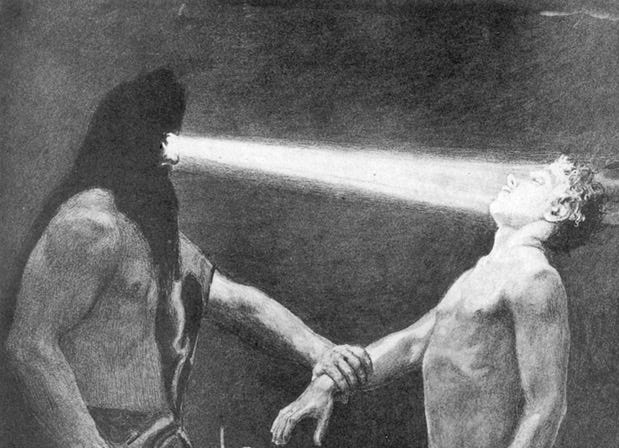
Not a framework you choose to drop. Not an intellectual realisation. Not something you can think your way through.
It is the rising of what has been waiting underneath, at the moment the body has finally opened enough for it to come.
And it does not ask your permission.
Most of the people that I’ve worked and spent time with in performance — coaches, athletes, leaders — are extraordinarily skilled at staying ahead of this.
We have built entire careers on it.
The work ethic. The constant motion. The next goal. The next round. The next quarter. The next presentation. The next opportunity to prove we are who we say we are.
It looks like dedication from the outside.
From the inside, much of it is the activity of staying just ahead of whatever is trying to catch up.
Because the thing about what we have buried is that it does not stay buried. It waits. It uses our quiet hours and our long drives and our middle-of-the-night wakings to remind us it is still there. We learn to fill those hours, to never drive without a podcast, to keep the phone in our hand the moment the body has a chance to be still.
The cost of all this filling is that the channel never opens.
Which means the buried thing never moves.
Which means we spend a decade or two or three doing extraordinary work on the outside while the unmet thing inside grows quietly heavier.
Until eventually the body refuses to keep performing the difference.
Or the marriage ends. Or the diagnosis arrives. Or the result you had been chasing arrives and turns out to be hollow. Or you find yourself in a hotel room in a country you do not know and the channel opens whether you were ready for it or not.
The body that arrives at Confrontation is not the body in war.
But it does not always know that.
The chest tightens the way it would if there were a real threat. The breath shortens. The mind starts running emergency protocols. The urge to flee — into the work, into the phone, into the next thing — arrives with the full force of biological survival.
But there is no sniper.
There is only an old grief asking to be felt. An old shame asking to be acknowledged. An old version of yourself asking to be released so that a truer version can take its place.
The work of this stage is not to make the rising stop. The work is to remember, in the middle of the rising, that what feels like danger is not danger. That what feels like collapse is not collapse. That what feels like the end of everything is the long-postponed beginning of something.
The man walking across the terrain in the film keeps walking. Not because the fear is gone. Because the fear is not the truth of what is happening.
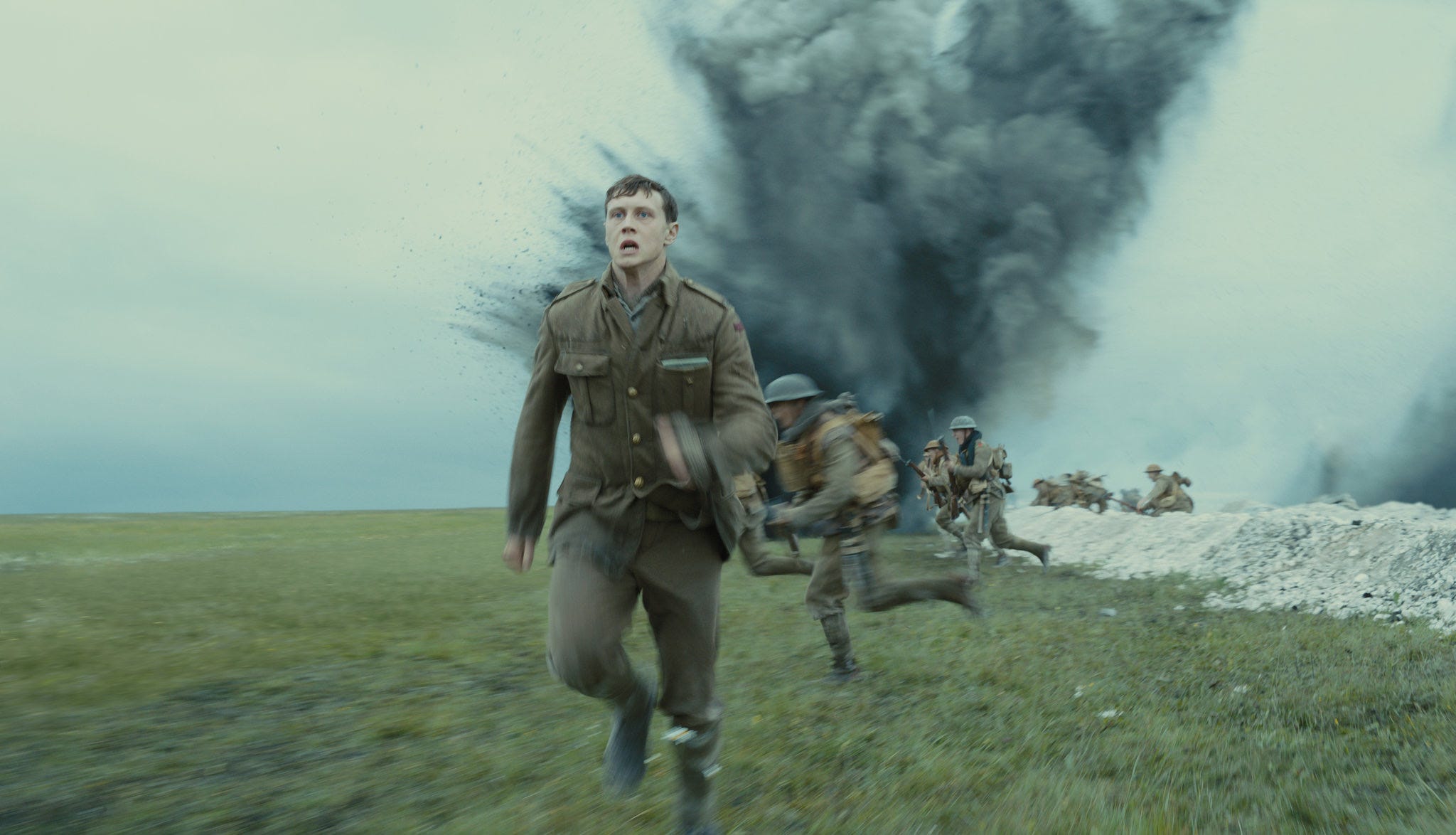
The truth of what is happening is movement. Forward. Through.
And the only way to the other side of what has finally risen is to keep walking with it, not away from it.
I sat in the hotel room in Passau that morning with all of it moving through me. The grief. The fear. The old conversations. The faces from decades ago.
I did not perform anything. I did not journal it into a useful insight. I did not turn it into content.
I sat with it.
Later that evening I went down to the hotel pool. A woman was helping her daughter into the water. The daughter with physical disability could not walk. She had to struggle out of her wheelchair, with the support of her mother to get herself into the pool. And the look on her face as she entered the water stopped me completely.
It was the thing I had been trying to find for a long time.. maybe the thing we are all trying to find.
She was not confronting anything. She was not managing anything. She was simply in the water — fully, without commentary, without the running internal assessment of how she should be feeling about her situation.
She had what I and maybe all of us are working so hard to access.
And what struck me was not pity or admiration. It was something far more uncomfortable.
She was free of the very thing I had been carrying in the room upstairs. The framework of who I was supposed to be. The voices about what I should have built by now. The version of myself I keep failing to become. She had no use for any of that, because life had stripped it away from her early.
The mother and I spoke for a good ten minutes afterwards. Different language. Different lives. The conversation was instant. Two people meeting each other with nothing in the way.
I went back up to my room knowing that something had been confronted in me that no amount of sitting alone could have produced.
Not by them. By the contrast between how they were living their moment and how I had been carrying mine.
By the time I left Passau the next morning, what I had been carrying was a little lighter than when I had arrived.
Not gone.
Just acknowledged. Just allowed.
Just no longer underneath, exerting its silent weight on everything I tried to do on top of it.
That is the only real work of Confrontation.
The willingness to let what has been buried finally come up. The willingness to stay in the room while it does. And — sometimes — the grace of meeting someone whose freedom from the same thing you are carrying shows you what is actually possible on the other side
Day 4 tomorrow..
Quote
‘One does not become enlightened by imagining figures of light, but by making the darkness conscious.’ — Carl Jung
Question
What has been rising in you that you have been working very hard to outrun?
And what would it take, today, to stop running and let it catch up?
Action
Sit somewhere quiet today with paper and a pen. Not for journalling. For something more direct.
Bring to mind the thing that has been rising in you — the feeling, the memory, the figure from your past, the part of yourself you have been pushing away.
Then give it form. Draw it. Describe it. Write its first line of dialogue as though it were a character in front of you. Ask it what it wants you to know.
Then write what it says back.
This is not creative writing. It is a way of letting the unconscious speak in a language it can actually use. The thing you have been carrying has been trying to reach you for years. Most of the time we shut it down before it can speak.
For ten minutes today, let it speak.
You do not have to act on what comes through. You do not even have to believe it. You only have to be willing to hear what wants to be said.
That is the practice. It changes you faster than any amount of sitting in silence — because you are no longer trying to be still around what is rising. You are letting it move into language, into form, into the open.
Music
On The Nature Of Daylight — Max Richter
Louis 🙏🏼
—
louis@thesharingexperience.com